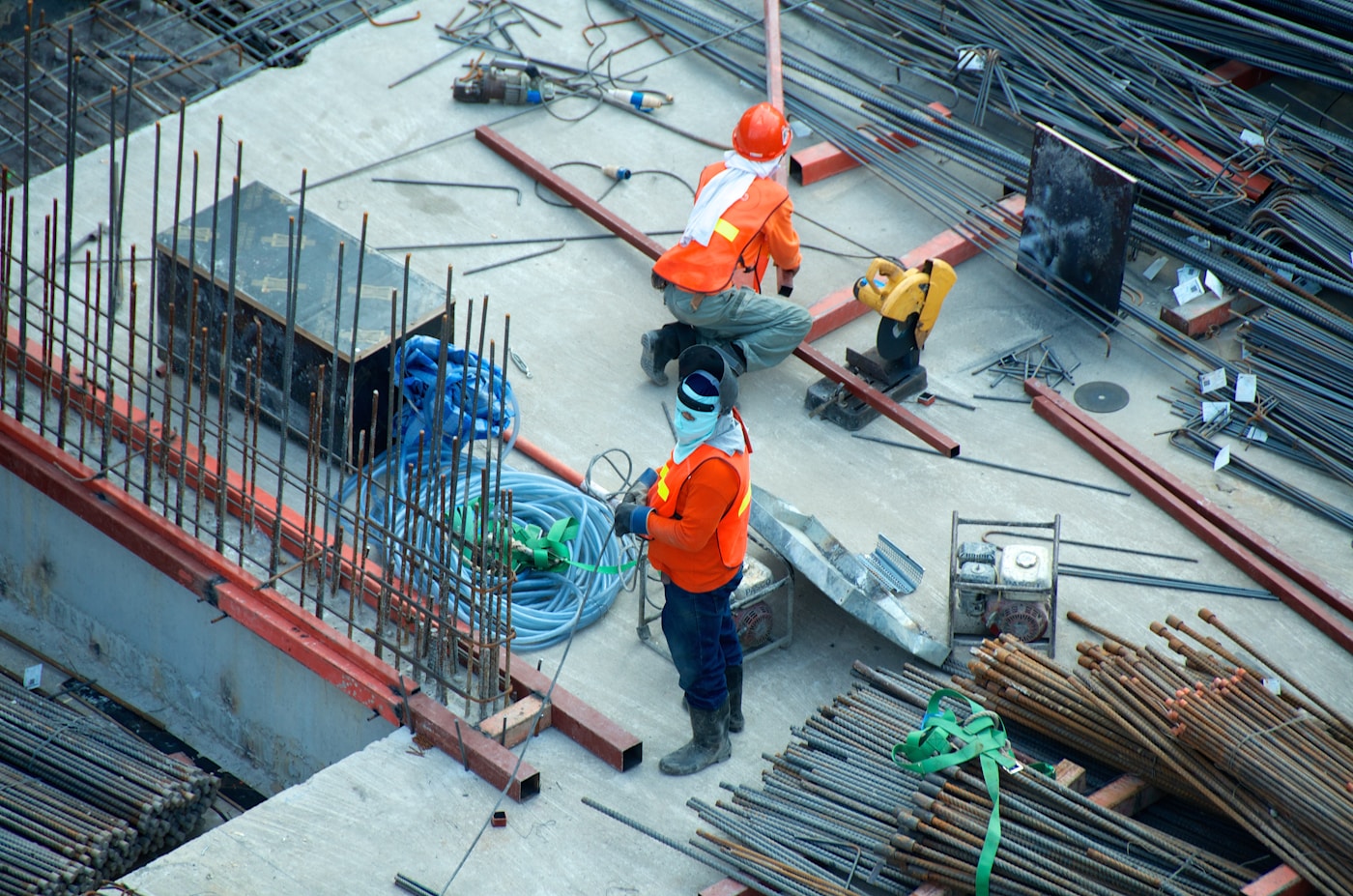
The next five years will see more construction activity in the National Capital Region than any comparable period in its history. The combination of public infrastructure investment and the private-sector development it catalyses is creating a construction environment of unusual scale, unusual urgency, and unusual complexity.
The Four Infrastructure Anchors
The Delhi-Meerut Regional Rapid Transit System is the most transformative infrastructure project in NCR since the metro. At 82 kilometres, it is not just a transit project — it is an urbanisation project. The corridor from Sahibabad to Meerut is already seeing industrial, logistics, and residential development that would have been impossible without the connectivity it provides. Every station on the RRTS corridor is a development anchor.
Noida International Airport at Jewar changes the gravitational centre of the region. The first phase — 29 million passengers per year — makes it one of the largest airport projects in Asia on delivery. The logistics, warehousing, and commercial infrastructure required to serve a second major international airport in NCR is already under development in a 50-kilometre radius around the site. Hotels, cargo facilities, MRO complexes, and business parks are being commissioned at a scale that has no recent precedent in the region.
The data centre corridor running through Noida and Greater Noida is a ₹40,000 crore private investment programme driven by hyperscaler demand from global technology companies and India's expanding digital infrastructure ambitions. These are not standard commercial buildings — they are precision-engineered facilities requiring the highest standards of structural, MEP, and specialist systems integration. And they are being built fast, by clients with very low tolerance for programme overruns.
The warehousing and logistics belt along the NH-58 and Yamuna Expressway corridors is the fourth anchor — driven by e-commerce, cold chain expansion, and 3PL operators consolidating from older, fragmented facilities into modern grade-A parks. Demand for industrial construction in this corridor has grown at over 30% annually since 2022.
What This Means for Commercial and Industrial Construction
Every major infrastructure project generates a multiplier effect in private-sector construction. An airport generates hospitality, cargo, and commercial development in a 30-kilometre zone. A rapid transit corridor generates mixed-use and residential development at every station. A data centre campus generates ancillary commercial, retail, and employee amenity development. The multiplier for major infrastructure investment in India has historically run between 3× and 5× the direct investment value.
For institutional and corporate clients commissioning commercial, industrial, or data infrastructure in NCR, the first-order implication is clear: this is the right time to build. Land values are rising along the infrastructure corridors. Operational advantages from proximity to the new transport links will compound over time. The developer who builds a logistics park at Jewar in 2025 is in a fundamentally different competitive position than the one who waits until 2028.
The second-order implication is more nuanced: the construction supply chain in NCR is under pressure. Demand for quality contractors, quality materials, and experienced project teams is growing faster than the supply of them. The projects that are being commissioned at the largest scale — hyperscale data centres, airport commercial zones, premium industrial parks — are the ones attracting the most capable contractors. The projects in the middle of the market are finding it harder to secure the same quality of team and the same programme certainty that they could two years ago.
The Supply Chain Reality
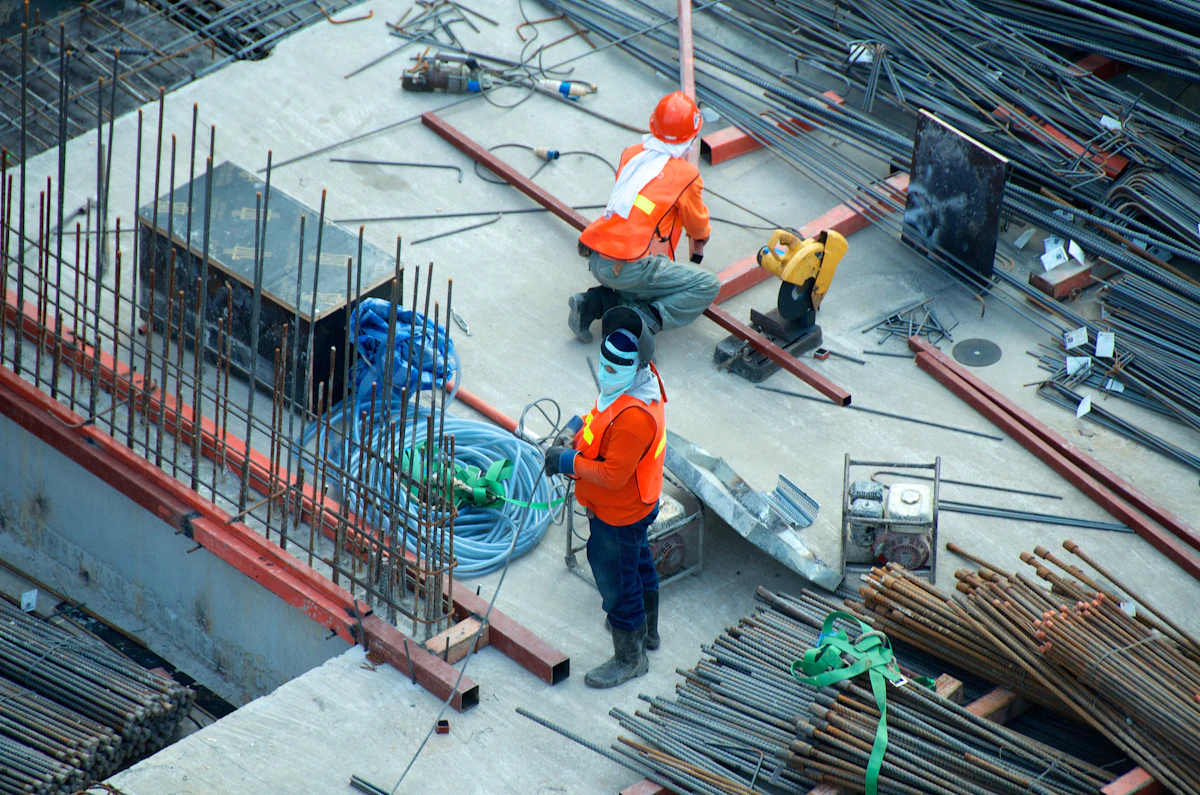
Ready-mix concrete delivery windows in Noida and Greater Noida, which ran at 4–6 hours in 2022, are now commonly running at 8–12 hours in peak periods. Structural steel lead times have lengthened by 30–40% compared to 2022 levels. Specialist MEP subcontractors with data centre experience are committed 18–24 months in advance across the region.
These are not temporary supply disruptions. They reflect a structural shift in the volume and complexity of construction activity in NCR that will characterise the entire decade. For clients who own their own equipment and their own supply relationships — as GEC does — this is manageable. For clients who depend on ad-hoc procurement and a rental equipment market that is increasingly constrained, it is a serious programme risk.
Building for the Region's Next Chapter
GEC has been part of NCR's built environment for over two decades. We have seen cycles of growth and contraction, of infrastructure investment and private-sector pull-back. What is happening now is different in kind — not a cyclical boom, but a structural shift in the region's scale and ambition. The buildings being commissioned between now and 2030 will define how this region works, moves, and feels for the next generation.
That is a responsibility we take seriously. It is also an opportunity we are prepared for. Our investment over the past decade in team depth, equipment ownership, and quality infrastructure was not made for a quiet market. It was made for this one. When the decade's most significant projects are being awarded, we intend to be among the contractors the most discerning clients call first.