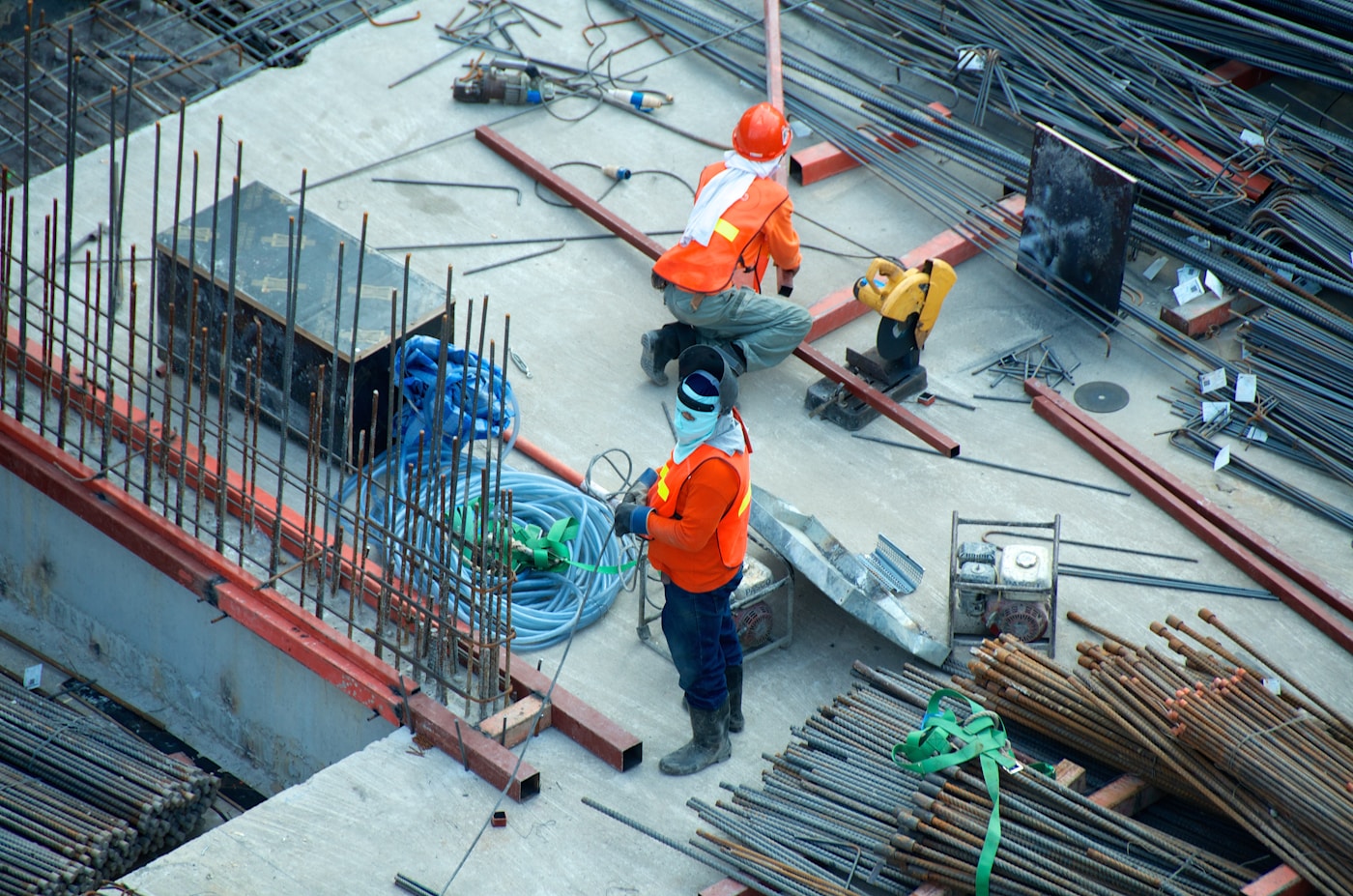
The last time NCR saw a construction boom of this scale was 2007–2010. That cycle ended badly — oversupply, stalled projects, and a decade of cautious institutional capital. This one is structurally different, and understanding why matters for every developer, contractor, and supplier operating in the region.
What changed after 2022
Three forces converged in the post-pandemic period to drive demand in NCR at a pace the region had not seen before. First, the India office market — which had been written off during peak remote-work discourse — came back with structural tailwinds from global capability centre (GCC) expansion. India added 1,700+ GCCs between 2020 and 2025, with NCR absorbing a disproportionate share due to talent density and connectivity. Second, the RERA regime — whatever its implementation imperfections — restored enough confidence in residential delivery timelines to bring institutional capital back into the residential segment. Third, infrastructure investment at a scale not seen since the Commonwealth Games era: the Delhi-Meerut RRTS, the Jewar airport, the Dwarka Expressway, and Phase IV metro lines collectively repriced large corridors of the NCR land map.
The Noida–Greater Noida axis
The Yamuna Expressway corridor has quietly become one of the most significant development zones in India. Jewar International Airport — operational phases from 2025 onwards — has catalysed land acquisition and master-planning activity along a 70-km stretch. The YEIDA (Yamuna Expressway Industrial Development Authority) has released large institutional and mixed-use parcels that are attracting developers who were priced out of Gurugram. Industrial and warehousing demand, driven by the PLI scheme and e-commerce logistics, has added a non-residential demand layer that is sustaining contractor workload through commercial cycle troughs.
What this means for construction delivery
A demand boom of this scale creates genuine execution risk. The primary constraints are not capital or approvals — they are construction capacity and material supply. Skilled labour rates in NCR have increased 22–28% since 2022. Structural steel lead times have extended to 14–18 weeks. Precast concrete capacity is fully subscribed 6–9 months out. The developers who will deliver on time in this environment are those who locked in contractor relationships and material procurement frameworks 18 months before breaking ground. The ones who will miss handover windows are those who treated procurement as a post-approval activity.
Planning a project in this environment
For anyone commissioning construction in NCR in 2026–27, three things matter more than they did three years ago: contractor pre-qualification rigour (capacity is constrained — not every firm quoting your project can actually execute it), procurement timeline (18 months from design to commencement for anything involving structural steel or precast), and programme management (the cost of delay in this market, where both financing rates and opportunity cost are elevated, is higher than at any point in the last decade). The firms that built delivery systems for the previous cycle will handle this one. The ones that grew on low-scrutiny projects in a softer market will struggle.